

Japan is a country known for being a little different. Impeccably fast trains, a beautiful dance between tradition and innovation, and perhaps the best infrastructure in the world make it a very attractive place to visit. Today, I am here to find out how much these cultural differences affect skiing.
Perhaps the most well-known difference between skiing in Japan and the rest of the world is the amount of snow that falls each year. The snow in Japan, which is affectionately known as “Japau,” is often so deep that you can comfortably wear a snorkel on your head.
However, deep snow isn’t the only notable difference this country has to offer. In fact, skiing is only part of the reason why you should book your vacation in Japan. Let’s explore the uniqueness of Japanese ski culture.
Onsen, not Jacuzzi
Those of you who have been lucky enough to stay in an accommodation with a Jacuzzi will agree with me that it is an important part of your day’s itinerary. Soaking your body tired from skiing in hot water is the best. Well, it could be that glorious moment when you took off your boots!
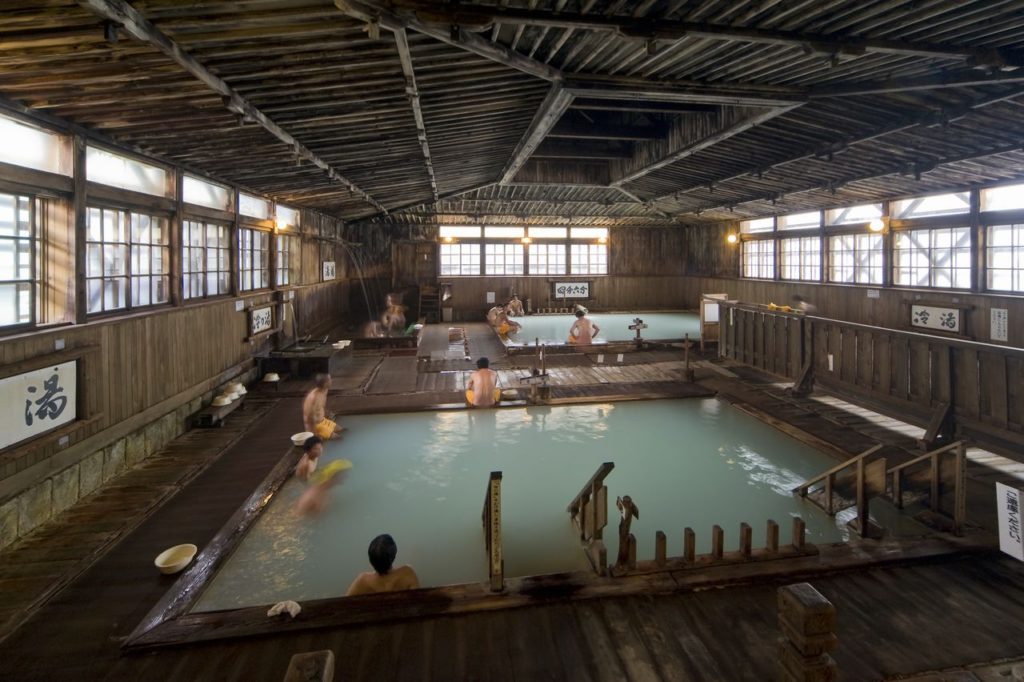
Sukayu Onsen, Aomori Prefecture
In Japan, no matter how luxurious and well-equipped the accommodation, you cannot see the bathtub. But that doesn’t mean you’ll be relegated to the shower.
Japanese hot springs are natural hot springs that are perfect for a dip after skiing. No cramped hot tubs, just spacious, often open-air baths. I recently wrote a guide dedicated to these hot springs, so I won’t go into too much detail here.
Head to a karaoke booth instead of a nightclub
Après-ski in Japan is incredibly different from Europe. In places like France, you might see a night of taking a dip in the hot tub (if you’re lucky), sharing a fondue or raclette, then heading out to the pub for a beer or four. Nightclubs, depending on your resort, and if you’re a little crazy.
Japan is a country with a long tradition, but technically there is no après-ski. Places like Niseko are fully equipped for a similar experience, but of course there are some notable differences.
A night out in Japan includes a leisurely soak in a resort’s hot springs, feasting on local cuisine (yakiniku and shabu-shabu are recommended), and drinking Asahi beer and sake at an izakaya. Finally, sing to your heart’s content at the karaoke booth.
Ramen for lunch?
Now, the taste of food is subjective. But having a seemingly endless supply of Japanese ramen at a lunchtime pit stop is undeniably special. I’m not knocking on Chamonix’s terrifyingly overpriced yet super-delicious food, but trust me when I tell you how perfect a bowl of ramen in the mountains can be.
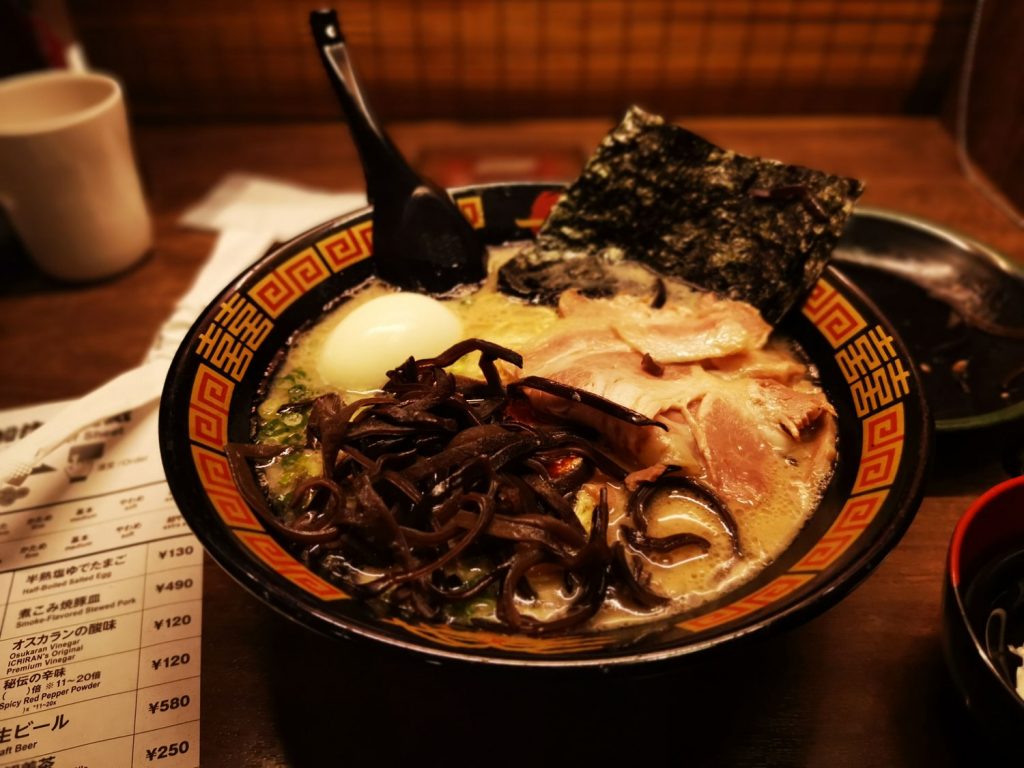
“Believe me when I tell you how perfect a bowl of ramen in the mountains is.”
cash is king
Despite all the technological marvels, cash is still king in Japan. Contrary to popular belief, Japan is not a country full of flying cars and futuristic technology, but in many ways, life is just like before. As I said earlier, it is a country where the old and the new intermingle in every corner.
So what does this mean for your trip? Always bring your yen on the slopes. If you’re used to using plastic, skiing with a lot of money might seem strange, but it’s very common in Japan.
Powder skiing is a lifestyle
I have skied on almost every terrain imaginable, but nothing compares to powder in Japan. Not only is it light and dry, it has more climates than anywhere else in the world. Grab a thick plank and go. Racing skis are not very useful on 10 meters of white.
So it’s no surprise that the locals are some of the most knowledgeable and capable powder skiers on the planet. If you can afford it, take powder ski lessons. Even though he thinks he’s a great skier, it takes him days in deep powder to feel comfortable.
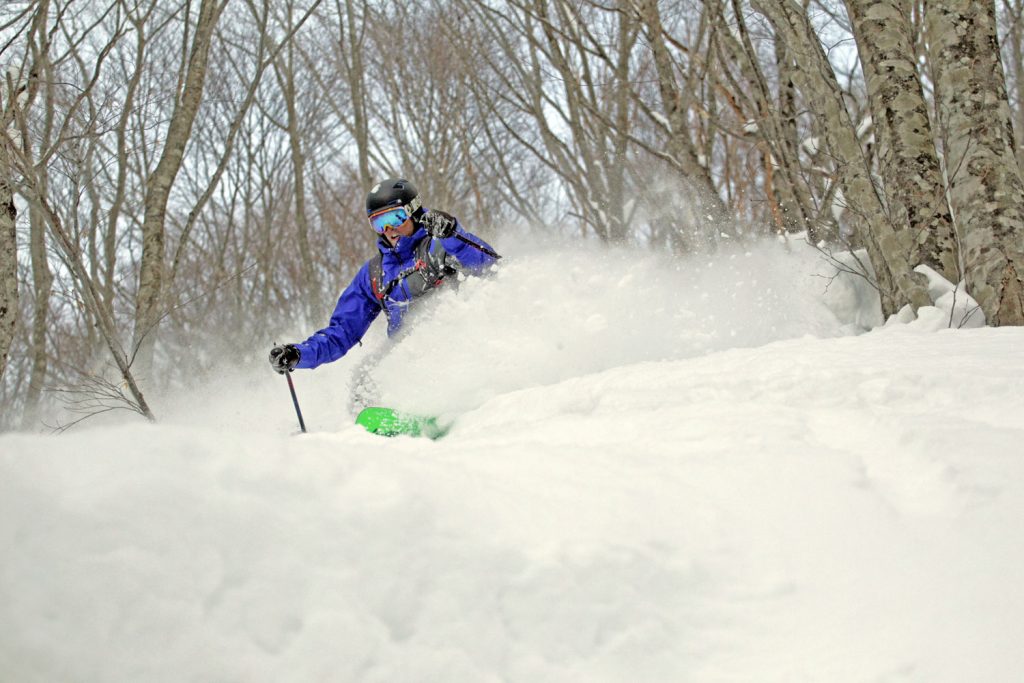
Bring powder skis to help you handle the deep stuff
trees are your best friend
Most of Japan’s mountains are quite low, especially compared to those in Europe. With such a low elevation, you’ll find plenty of trees when venturing off-piste. Tree skiing is a skill in itself and a big part of Japanese ski culture. Sure, you don’t have to slide between trunks, but it certainly helps in a whiteout.
It’s not necessarily about the steepness
Another advantage of lowland resorts is that most of the slopes are not very steep. Japan has its fair share of steep courses, but they aren’t the main focus of Japanese skiing in general. You can spend your session. Put your helmet on anyway!

Japan’s ski resorts have many gentle terrains.
vending machine is your savior
We all know drills. Arriving at the resort and remembering that dining in the mountains is prohibitive, you grab some snacks from a local store and try to make a sandwich with the limited resources your hotel room provides. Lunch will be sorted. a little.
Japan has a secret weapon that takes snacking on the slopes to the next level. Enter his four million state-owned vending machines. Hot drinks, cold drinks, pizza, ramen, rice balls, the list of snacks you can get from these is honestly endless. Please know that

vending machine is your friend
impeccable service
If there’s one thing you’ll notice about your trip to Japan, it’s the amazing service you receive from start to finish. Of course, this depends on many factors, but it can happen often.
Politeness, respect and consideration are all important aspects of Japanese culture. From the moment you step off the plane, the vast majority of Japanese you meet go above and beyond to make sure your vacation is as special as possible.
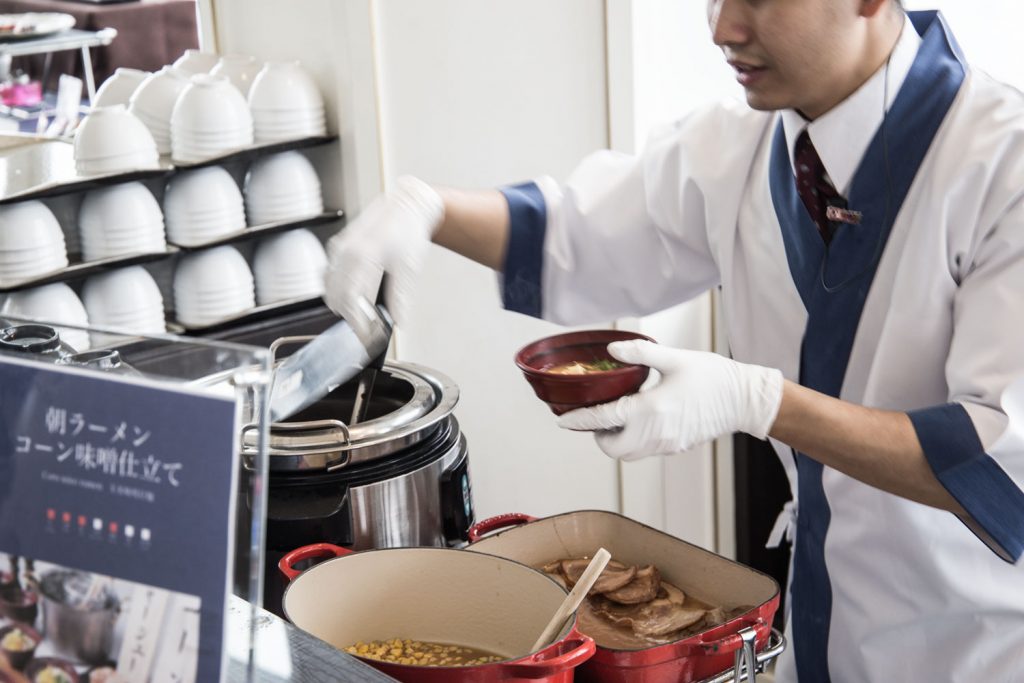
“If there’s one thing you’ll notice about your trip to Japan, it’s the amazing service you receive from start to finish.”
One visual example of respect ingrained in Japanese culture is the act of bowing. When you shop for something, put on some skis, or ride a chairlift, you can expect a subtle yet authentic bow.
Chairlift queues work surprisingly well
I’ve been skiing in the French Alps for about 20 years, and as far as I’m concerned, it wouldn’t be a ski vacation unless the chairlift line was disorganized, pushy and stressful.
However, when skiing in Japan, you can take comfort in knowing that these new Armada skis won’t have as many lift lines as anywhere else. This works best at more local resorts, but I’ve generally found the lines to be much more orderly across the board.

Taeko Suginohara
single chair lift
Oh, I love the heated and screened 8 seater chairlift. Who cares what the weather is like when you have them at your disposal? Unfortunately, these ultra-modern elevators have yet to be introduced in most parts of Japan.
Of course this is very specific to the resort you’re in, but I tend to find one chair rather than eight. Oh and did I mention most of them don’t have a bar? It is better!
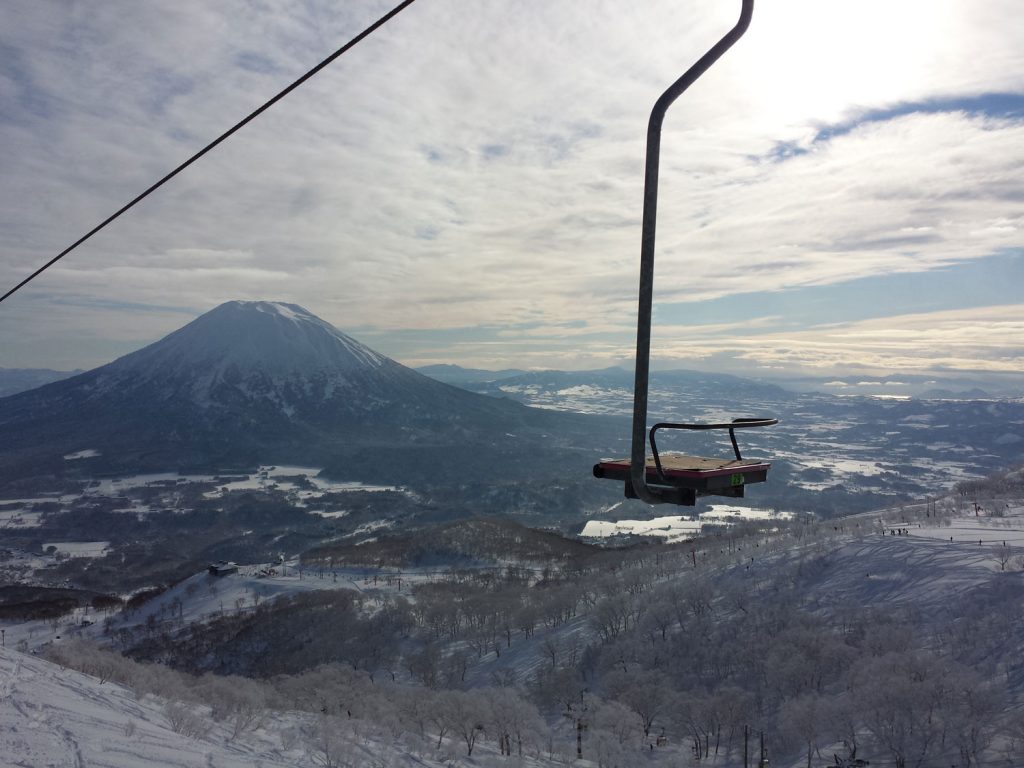
Niseko’s symbol “Pizza Box” single chair
Snowboard rules!
When it comes to Japanese snow sports, skiers are definitely in the minority. It makes perfect sense when you realize that some parts of the country average 700 inches of snow each year (rumored at 1,200 inches). Deep snow and snowboarding go together like peanut butter and jam. Sure, you can get yourself some fat skis and have some whale time, but snowboarding is the most popular way to get down the mountain for locals.

Snowboarding takes Japan by storm
So while the Japanese ski culture is quite different, the deep love for the sport is just as strong. Not only can you experience some of the best skiing in the world, but you can also savor incredible food, legendary kindness, and perhaps the most relaxing cultural tradition of all: hot springs.
No, it’s not like any other ski vacation you’ve been on. For many people, learning to ski in powder is like starting from scratch. , you might notice that the snow on the other side is really white.
ski asia offers
 Park x powder package [Madarao + Gunma]
Enjoy 5 nights in Madarao, one of Japan’s premier powder ski areas, before heading to Gunma for 2 nights at PalCall Tsumagoi, home to Asia’s longest terrain park (and 24-hour mini-park). Soak up his two treasures of the country in one ski trip!
learn more
Comments
Post a Comment