
Indoor farming and education are increasingly intertwined as growers and industry professionals work with school systems and educators to share the inside and outside of the industry with the next generation. We are bringing indoor farming to the forefront through full curriculum implementation, on-campus indoor/vertical farms, career readiness programs, and in-home grow kits.
Janesha Anthony, Content Creator at Contain Inc., explored this topic and spoke with Charlie Shultz, Academic Director of Controlled Environment Agriculture, to take a closer look at the evolution and growth of education within the industry.
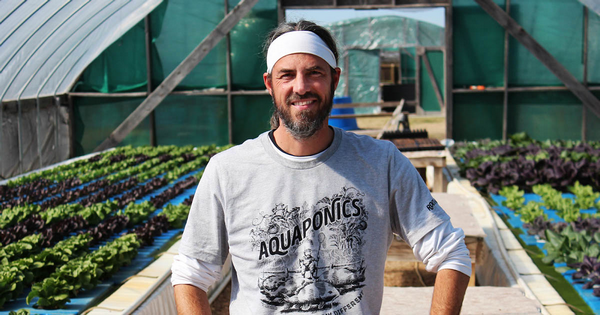
Charlie Schultz
Key Elements Required for a Robust Indoor Farming Curriculum
As Charlie points out, the first critical component of a good indoor farming curriculum is industry engagement. New indoor farming programs should connect with players in academia and industry. These players should drive the curriculum offered. A strong Academic Advisory Counsel assists in curriculum development and validation. Regular meetings keep the program curriculum up-to-date with industry advancements.
Second, it exposes students to various growth systems that may be found in the industry. Having hydroponic examples, including aquaponics, and using all types of hydroponic production, students will be exposed to any design they may encounter in their careers.
“Furthermore, programs like mine that focus on workforce development and training highly skilled workforce pools should have large-scale systems that are representative of what we see in the industry. A large-scale system that operates systematically ensures that students are exposed to all aspects of the plant: production in a staggered production method,” says Charlie.
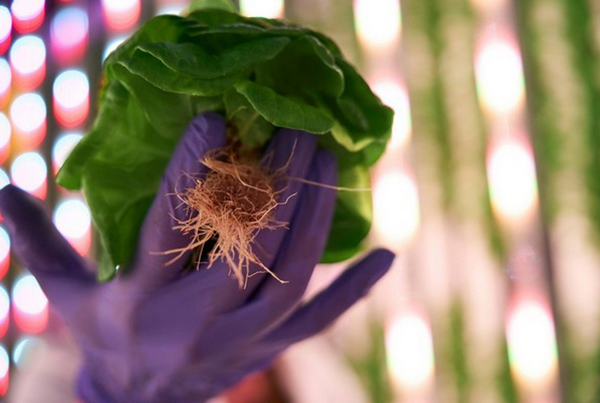
Photo credit: Zipgrow
Recently Introduced CEA Program
Zipgrow’s latest partnership will make the CEA program available to students from September 12th through November 4th, 2022. The partnership will help prepare for employment within the agricultural technology sector related to greenhouses, indoor farms, food supplies, pharmaceuticals and alternative crops.
As industries develop and become key to the future food supply, it becomes increasingly important to share knowledge and opportunities with the workforce of the next generation. Another indoor farming company, AmHydro, is also ahead of the curve by offering learning through the introduction of hydroponic crop production seminars that teach through hands-on experience.
A new generation represents an exciting agricultural transition
Charlie believes this next-generation farming represents an exciting transition for the careers of the younger generation of growers. .
“Rather than viewing agriculture as a return to hot fields, they see opportunities to use their skills in wireless technology and the Internet of Things. Possibilities were opened that did not exist in the flashing, longer duration, energy saving, etc.”

Photo credit: Cornell University
Do you believe the number of career opportunities within the sector matches the amount of industry interest?
“I think it’s kind of a chicken-and-egg scenario. Over $1 billion was invested in indoor farming this year alone. have been invested in. Jobs are open, but training is in short supply.Without schools dedicated to workforce development, the industry will lack the trained staff they need.” says Charlie.
He said some growth skills can be learned on the job, but the comprehensive knowledge needed to manage a CEA facility requires highly educated workers. Programs continue to develop to meet this need, but experienced teachers and trainers can be an obstacle to program development.
Charlie feels that hydroponics may be the best approach for an indoor Ag program over aquaponics. Hydroponic systems are great for classrooms, easy to start and stop, and basically follow It’s a cookie-cutter recipe that should. Aquaponics systems, on the other hand, require experience and a high degree of education in both aquaculture and horticulture. This specialization is hard to find, and it’s hard to find potential educators with experience in this field.

Photo Credit: Rooted
Spread the benefits of indoor farming
Career development is a big space for indoor farming and education, but it’s not the only way the two come together. This summer, Contain Inc’s corporate wellness platform, Rooted, expanded to colleges with the goal of bringing Indoor AG’s mental health benefits directly to youth across the country in an exciting and rewarding way.
The platform, combined with the flexibility and convenience of indoor cultivation, thrives in the new digital age of remote work. Distance learning continues to be a catalyst for education in the indoor farming world. The indoor farming curriculum gives students a positive look at a variety of topics around food supply, the environment and technology.
Additionally, schools can set up indoor farms on campus to create real, hands-on programs and experiences, with the added benefit of reducing resources to maintain, regardless of the climate. Broadmeadows high school has a lean indoor farm in its cafeteria. This follows the trend of food gardens popping up in schools across the country.
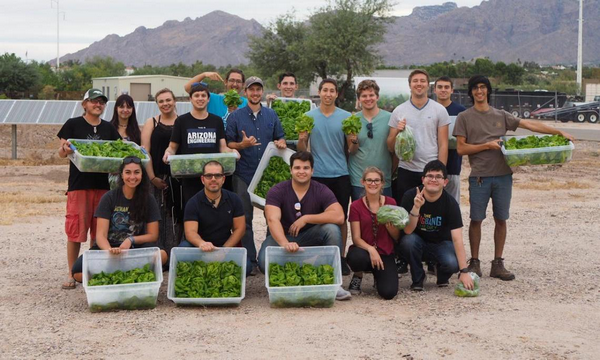
CEA Student Association, an initiative of the CEA Center at the University of Arizona
The future of indoor farming
Charlie is currently working on increasing the pipeline. As he says, there will no doubt be more high school programs introducing students to his CEA education. Added dual credit classes that give students college credit while in high school. According to him, the pipeline from high school to community colleges and tech colleges will increase.
“Most indoor farming students want and need hands-on opportunities, so schools with indoor farming programs need to invest heavily in facilities and systems. Mediation agreements will be developed between technical schools and four-year colleges to guide the industry will also move towards micro-qualifications for entry-level growers. Badges focus on specific career skills that are required and can be achieved in a short period of time. These badges may include lighting, plant production, nutritional management, etc.” say.
Employers can request these certifications and allow their employees to earn them while they work. The indoor farming community should validate and standardize curricula for these micro-qualifications across the United States.
“Generation Z and millennials are at the forefront of sustainable eating for the next generation, and there is growing interest in this topic, and how we can support their initiatives through our programs and participate in this change through education. The opportunity to learn more about what is possible is important.”
For more information:
Contain Co., Ltd.
Nicola Kerslake, Founder and CEO
www.contain.ag
Comments
Post a Comment